Being arrested for something you didn’t do isn’t just humiliating — it can cost you your job, your reputation, and months of your life. The good news is that the law gives you a path to fight back and be compensated. Wrongful arrest settlements in the United States typically range from $10,000 to well over $1 million, depending on how long you were detained, whether you suffered physical injuries, and the strength of the misconduct evidence against the arresting officer.
This guide breaks down exactly what affects your payout, how damages are calculated, and what you can do while your lawsuit is pending.
[JUMP TO TABLE OF CONTENTS]
- What Is a Wrongful Arrest?
- What Is the Legal Basis for a Wrongful Arrest Lawsuit?
- How Much Can a Wrongful Arrest Settlement Be Worth?
- What Factors Determine Your Settlement Amount?
- What Damages Can You Recover?
- How Challenging Is It to Sue the Police?
- What Is the Statute of Limitations for a Wrongful Arrest Lawsuit?
- Should You Settle or Go to Trial?
- How Can Pre-Settlement Funding Help While You Wait?
What Is a Wrongful Arrest?
A wrongful arrest — also called a false arrest — occurs when a law enforcement officer, security guard, or government official detains you without legal justification. Under the Fourth Amendment of the U.S. Constitution, all Americans are protected against unreasonable searches and seizures. An arrest without probable cause or a valid warrant violates that protection.
Common situations that lead to false arrest lawsuits include:
- Being arrested due to mistaken identity or a name mix-up
- Arrest without evidence or probable cause
- Racial profiling by police
- Executing an arrest warrant on the wrong person
- Being held after charges were dropped or dismissed
If any of these apply to your situation, you may have a valid civil rights claim — and the right to pursue significant financial compensation.
Learn more about false arrest lawsuit funding and how Baker Street Funding can help you access cash while your case proceeds.
What Is the Legal Basis for a Wrongful Arrest Lawsuit?
Most wrongful arrest lawsuits are filed under 42 U.S.C. § 1983, a federal civil rights law that allows individuals to sue government officials — including police officers — for violations of their constitutional rights. To win a § 1983 claim, you generally need to prove:
- The defendant acted “under color of state law” (was acting in an official government capacity)
- Their conduct violated a right guaranteed by the U.S. Constitution
The Fourth Amendment claim (unlawful seizure) is the most common basis, but you may also have claims under the Fifth Amendment (due process) or Fourteenth Amendment (equal protection, particularly in racial profiling cases).
In April 2022, the U.S. Supreme Court also clarified that criminal defendants do not need to prove their innocence when suing for wrongful arrest — only that their case ended without a conviction. This lowered the bar significantly for plaintiffs pursuing civil claims.
How Much Can a Wrongful Arrest Settlement Be Worth?
There is no fixed settlement amount, but here is a realistic framework based on publicly available case data and legal precedent:
| Detention Length / Circumstances | Estimated Settlement Range |
|---|---|
| Brief detention (under 3 hours), no injury | $5,000 – $25,000 |
| Several hours to overnight, minor distress | $25,000 – $75,000 |
| 1–7 days, job loss, emotional harm | $75,000 – $250,000 |
| Weeks to months, serious injury or brutality | $250,000 – $1,000,000+ |
| Years of wrongful imprisonment, severe harm | $1,000,000+ |
A commonly used starting formula is $1,000 per hour of wrongful detention — but this is a floor, not a ceiling. Cases involving police brutality, racial profiling, fabricated evidence, or lasting career damage consistently exceed this baseline significantly.
What Factors Determine Your Settlement Amount?
Every wrongful arrest case is unique. The factors that most heavily influence how much you can recover include:
- Duration of detention. The longer you were held without justification, the greater your damages. Each additional day in custody compounds lost wages, emotional suffering, and reputational harm.
- Physical injuries. If you were injured during or after your arrest — including broken bones, head injuries, or harm from excessive force — your medical costs and pain-and-suffering damages increase your case value substantially.
- Strength of misconduct evidence. Body camera footage, surveillance video, witness statements, or documented patterns of officer misconduct can dramatically increase leverage in settlement negotiations and at trial.
- Malicious intent vs. negligence. Intentional misconduct — including racially motivated arrests, planted evidence, or a knowing violation of your rights — makes a case for punitive damages far stronger than simple police negligence.
- Career and financial impact. If the arrest cost you your job, damaged your professional reputation, or resulted in ongoing difficulty finding employment, those documented economic losses are recoverable.
- Whether criminal charges were filed. A malicious prosecution claim (where charges were filed and then dismissed) can add substantial value on top of the base false arrest claim.
What Damages Can You Recover?
Wrongful arrest lawsuits allow for three main categories of damages:
- Compensatory damages are designed to make you financially whole. They include lost wages during your detention, lost future income if you lost your job or career opportunity, medical expenses from physical injuries suffered during or after the arrest, therapy and mental health treatment costs, bail expenses, legal fees to defend against the false charges, and reputational harm.
- Non-economic damages cover harms that don’t have a direct dollar value: emotional distress, anxiety, PTSD, embarrassment, humiliation, and damage to personal relationships. In serious cases, these can match or exceed the economic damages.
- Punitive damages are awarded when the conduct was especially egregious — such as racially motivated arrests, deliberate fabrication of evidence, or extreme excessive force. These damages punish the officer and their department and can multiply the total award significantly. They require proving intentional or reckless misconduct.
If you were injured during your arrest, you may also qualify for civil rights lawsuit funding to cover medical expenses while your case is ongoing.
How Challenging Is It to Sue the Police?
It is harder than a standard personal injury case, but far from impossible — especially in recent years.
The primary legal challenge is qualified immunity, a doctrine that protects government officials from lawsuits unless they violated a “clearly established” constitutional right. This protection was originally designed to prevent harassment of officers acting in good faith, but it has historically made many valid claims difficult to pursue.
However, the legal system has been shifting. Several states — including Colorado, New Mexico, and New York City — have passed laws limiting or eliminating qualified immunity in state courts. And as noted above, the Supreme Court’s 2022 ruling made it easier to pursue claims even when the underlying criminal case wasn’t fully adjudicated.
You will also typically need to file a Notice of Claim against a city or government entity before you can sue — often within 90 days of the arrest. Missing this deadline can permanently bar your claim, which is why retaining a civil rights attorney quickly is critical.
What Is the Statute of Limitations for a Wrongful Arrest Lawsuit?
The time you have to file varies by state and type of claim:
- Federal § 1983 claims typically follow the state’s personal injury statute of limitations, which is two to three years in most states.
- State law false arrest claims may have shorter windows — often one to two years.
- Notice of Claim requirements (for suits against municipalities) often have a 90-day deadline from the date of arrest.
The clock typically begins running on the date of the arrest, though the discovery rule may apply in some circumstances. Because these deadlines are strict and consequences for missing them are severe, speaking with a civil rights attorney as soon as possible after a wrongful arrest is essential.
Should You Settle or Go to Trial?
Most wrongful arrest cases resolve through settlement before trial. Settlements offer speed, certainty, and guaranteed compensation — but they are almost always lower than what a jury might award. If you have strong evidence of misconduct, your attorney may advise holding out for a trial verdict, which can yield a substantially larger award.
One of the most common reasons plaintiffs accept low settlements is financial pressure — bills pile up during litigation, and defendants and their insurers know it. This is exactly where pre-settlement funding changes the dynamic.
Learn how to negotiate a stronger settlement when you’re not under financial pressure to accept the first offer.
How Can Pre-Settlement Funding Help While You Wait?
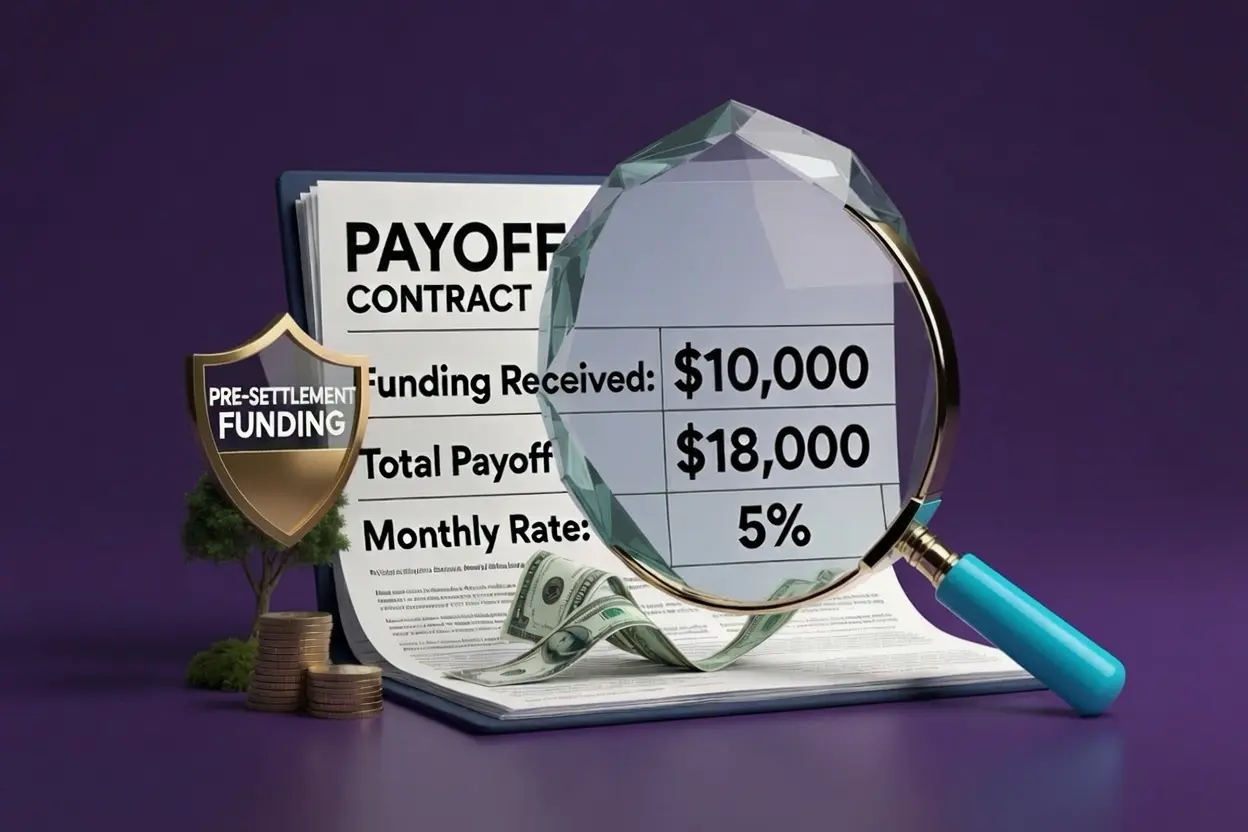
Wrongful arrest and civil rights cases can take one to four years to resolve. During that time, you may face mounting bills, lost income, and ongoing legal costs — all while waiting for the compensation you rightfully deserve.
Baker Street Funding provides non-recourse pre-settlement funding specifically for civil rights and false arrest cases. Here’s how it works:
- You apply with your attorney’s information and case details
- We evaluate the strength of your claim — no credit check required
- If approved, you receive a cash advance on your expected settlement within 24 to 48 hours
- You repay only if and when your case settles or results in a verdict
- If you don’t win, you owe us nothing
The funding can be used for anything: rent, mortgage, medical bills, childcare, daily expenses — whatever you need to stay financially stable while your attorney fights for full compensation.
Apply for false arrest pre-settlement funding today →
Conclusion
Wrongful arrest settlements range from a few thousand dollars to well over a million, but what you ultimately recover depends on the facts of your specific case — the duration of your detention, whether you were injured, the strength of misconduct evidence, and whether charges were filed against you. A qualified civil rights attorney is your best resource for evaluating case value.
In the meantime, if financial pressure is making it difficult to hold out for the settlement you deserve, Baker Street Funding is here to help. Our civil rights legal funding gives you breathing room without the risk of a traditional loan.