Waiting on a settlement can feel like your life is on pause, but the bills don’t get the memo. Rent, car notes, childcare, medical co-pays—it all keeps coming. That’s exactly why people look into a “lawsuit loan.”
Quick note on wording: most companies provide non-recourse pre-settlement funding (a cash advance against a potential recovery), not a traditional bank loan. Non-recourse means repayment typically comes only from the case result—so the case itself is what matters most.
Below is the breakdown of what underwriters look at, what you can do to improve your odds, and what can slow things down.
The Big Idea: You’re Not “Borrowing Against Your Credit”—You’re Funding the Case
Traditional lenders approve you based on income, credit, and collateral (like a car or house). Lawsuit funding is different.
A legal funding company is mainly asking:
- Is this case likely to recover money?
- How much might it recover?
- How long could it take?
- Are there issues that could reduce or block recovery?
That’s the lens for everything below.
When you apply for pre-settlement funding, the funding company’s underwriter will examine the following main 9 aspects of your lawsuit to determine if you qualify for a lawsuit loan:
Lawsuit Loan Requirements: The 9 Factors That Usually Decide Approval
1) You have an active case (and real liability)
Simply put: there needs to be a real claim with facts that support fault.
Underwriters look for things like:
- Police/incident reports
- Photos/video
- Witness statements
- Defendant admissions
- Clear negligence (who did what wrong)
If liability is messy, approval can get harder—or the offer may be smaller.
2) Your attorney is involved (this one’s huge)
Most reputable funding companies require attorney cooperation because your lawyer:
- Confirms case status and parties
- Shares key case documents
- Helps route repayment from settlement proceeds
If your attorney won’t participate, that’s one of the most common “dead ends.”
See lawsuit loans without attorney consent →
3) Your damages support funding (medical bills + lost wages + impact)
Funding is about the potential value of the claim, and value comes from damages.
Examples that help:
- Documented time out of work
- Ongoing treatment plans
- Permanent impairment or long-term limitations
- High medical costs backed by records
4) Your medical treatment is consistent and documented
This doesn’t mean you need surgery to qualify, but it’s true that more documented treatment often strengthens the case value.
Underwriters pay attention to:
- ER/urgent care visit soon after the incident
- Follow-up care (PT, ortho, pain management)
- Imaging (MRI/CT) and specialist notes
- Procedures like injections or surgery (when applicable)
Gaps in care can create arguments for the insurance company, and that can reduce funding options.
5) There’s insurance coverage or a collectible defendant
If the defendant can’t pay, the case can’t pay.
So funders usually want:
- An insured driver/business/property owner, or
- A defendant with assets that make collection realistic
No insurance + no assets = tough approval in most situations.
6) The case type fits what funders typically finance
Many companies focus on claims with clearer valuation and predictable insurance structures, like:
- Auto accidents (car, truck, rideshare)
- Slip and fall/premises liability
- Workplace injury claims with strong coverage
- Medical malpractice (often complex, but fundable when strong)
- Wrongful death and catastrophic injury (when liability + coverage are solid)
Some claims can be fundable, but harder to underwrite (defamation, certain employment disputes, small-coverage cases). It depends on the facts.
7) Your case value is high enough after deductions
A case can sound “big,” but underwriting is math.
They’re looking at the expected recovery minus:
- Attorney fees and costs
- Medical liens
- Prior funding liens
- Potential comparative negligence reductions
That’s why two people with the same injury can get very different offers.
8) Your state rules allow this type of funding
Legal funding is handled differently state to state. Some states are friendly, some are restrictive, and some have specific disclosure or contract rules.
So yes—your location matters, and it affects:
- Availability
- Contract structure
- Cost/disclosure requirements
To qualify for pre-settlement funds, you must live in a state where lawsuit funding is available.
9) Prior funding and stacking risk
If you already have funding, the new company has to ask: “Will there be enough left at the end?”
Fast Qualification Checklist: What to Have Ready
If you want the process to move quickly, gather these upfront:
- Your attorney’s name + law firm + contact info
- Case type + date of incident
- Defendant/insurance details (if known)
- Treatment summary (where you treated, what happened next)
- Any key documents you already have (police report, claim number, discharge papers)
You don’t need to “prove everything” on day one. But the cleaner the file, the smoother the underwriting.
Common Reasons People Get Denied (or Offered Less)
Here’s what usually causes problems:
- No attorney or attorney won’t cooperate
- Unclear fault or heavy comparative negligence
- Little to no treatment, or long gaps in care
- Low policy limits relative to damages
- Case value gets eaten up by liens + prior funding
- The case is early, and key facts are still unknown
- The defendant may be uncollectible
None of this means your case is “bad.” It just means funding may be risky from an underwriting perspective.
What Repayment Really Looks Like (and why “non-recourse” matters)
With non-recourse funding, repayment typically happens only if there’s a recovery (settlement or judgment). The funding company is paid from the case proceeds—usually through the attorney’s distribution process.
If the case does not recover money, non-recourse funding is generally structured so there’s no repayment obligation. (Always read the agreement details, because contracts can vary by company and by state.)
How to Spot an Ethical Lawsuit Loan Company
This part matters more than people think, because the wrong funding deal can add stress to an already stressful case. At Baker Street Funding, we keep it simple: clear terms, plain language, and no games.
Here’s what “ethical” should look like in real life—and how we operate:
- Plain-language agreements and clear disclosures. You should be able to read the contract and understand it. We walk you through the key terms, what they mean, and how repayment works from settlement proceeds.
- No pressure tactics. If you ever feel rushed, that’s a red flag. We don’t push “sign now” ultimatums. You get time to review, ask questions, and involve your attorney.
- Responsible underwriting that protects your net recovery. We look at the strength and value of your case, but we also care about what you may actually take home after attorney fees, medical liens, and other obligations. That’s part of funding responsibly.
- Straight answers in normal English. You shouldn’t need a translator for legal funding. We explain non-recourse funding (repayment typically comes only if there’s a recovery) and answer questions directly.
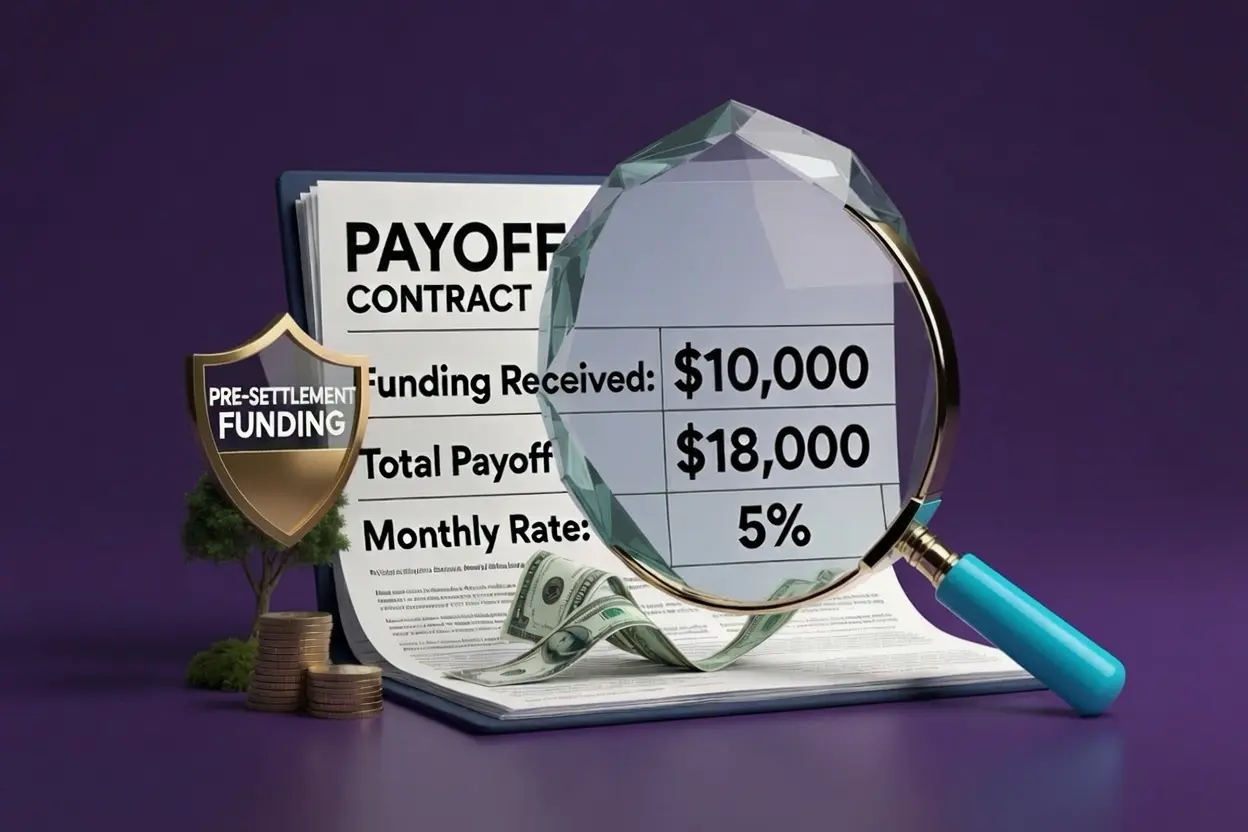
- Transparent costs and payoff structure. You deserve to know how the payoff may grow over time and what triggers repayment. If something isn’t clear, we spell it out—no hiding the ball.
Bottom line: if a company won’t clearly explain costs, terms, and repayment—walk away. You’re dealing with your future settlement, so you want a funding partner that respects that.
Check Your Eligibility in Minutes
If you’re waiting on a settlement and the bills are stacking up, you can see if your case qualifies for Baker Street Funding with a quick, no-pressure review. Apply online in minutes, and we’ll coordinate with your attorney to confirm the case details.
Join the thousands of personal injury victims who’ve found ethical financial assistance through our services. With our competitive, non-compounding rates capped in the third year, we’re here to support you every step of the way.
FAQs About Qualifying for a Lawsuit Loan
1) Do I need good credit to qualify?
No. Lawsuit funding decisions are typically based on the case, not your credit score, because repayment is tied to the claim’s outcome.
2) Do I need to have filed the lawsuit already?
Not always, but you do need an active claim with enough information to underwrite. Filing can help, but strong pre-suit claims may still qualify depending on the case details and attorney involvement.
3) What if I’m getting medical treatment on a lien?
That can be normal in injury cases. Underwriters will look at the size of medical liens because liens affect your net recovery. It doesn’t automatically disqualify you, but it does affect the math.
4) Is pre-settlement funding legal?
In many states, it’s legal and commonly used, but rules vary by state. Some states have specific consumer protection requirements (disclosures, contract terms, cancellation windows), and some are more restrictive. If you’re unsure, ask for the state-specific terms in writing.
5) Can I get more funding later?
Sometimes. Additional advances depend on case progress, updated records, and whether there will still be enough net recovery after liens, fees, and existing funding.
If you’re trying to qualify for a lawsuit loan, focus on the basics: strong liability, documented damages, attorney cooperation, and a case value that supports responsible funding. When those pieces line up, the process is usually straightforward.