Alcohol-related accidents often leave victims with catastrophic injuries, permanent loss, or the death of a loved one. In many cases, responsibility doesn’t stop with the intoxicated driver. Under Dram Shop laws, bars, restaurants, nightclubs, and alcohol vendors may be held legally responsible for overserving alcohol to visibly intoxicated patrons who later cause harm.
If you are pursuing a Dram Shop lawsuit and facing financial strain while the case is pending, pre-settlement funding may be available in select, well-supported cases. Because these claims involve heightened legal scrutiny and statutory requirements, funding decisions are made carefully and conservatively.
What Is a Dram Shop Lawsuit?
A Dram Shop lawsuit is a civil claim against an alcohol-serving establishment for injuries or death caused by an intoxicated person. These laws exist to discourage irresponsible alcohol service and protect the public.
While Dram Shop statutes vary by state, most require proof that:
- Alcohol was served to a visibly intoxicated person or a minor
- The service directly contributed to intoxication
- The intoxicated person caused injury, death, or property damage
- The establishment’s conduct was a proximate cause of the harm
Because Dram Shop liability is statutory, courts apply these laws strictly. Strong evidence is essential.
Common Accidents Leading to Dram Shop Claims
Dram Shop lawsuits frequently arise from:
- Drunk driving accidents
- Pedestrian fatalities
- Motorcycle and bicycle crashes
- Bar fight or assault injuries
- Wrongful death claims
- Catastrophic injury cases involving paralysis or TBI
These cases often involve commercial insurance policies, which is a critical factor in funding eligibility.
Why Dram Shop Cases Take Time
Dram Shop claims are aggressively defended. Alcohol vendors and their insurers often argue:
- The patron did not appear visibly intoxicated
- The alcohol was consumed elsewhere
- The injuries were not foreseeable
- The establishment complied with service standards
As a result, cases often require:
- Surveillance footage
- Eyewitness testimony
- Toxicology reports
- Expert opinions on visible intoxication
- Extensive discovery
While your attorney builds the case, financial pressure can mount — especially in wrongful death or catastrophic injury matters.
When Pre-Settlement Funding May Be Available
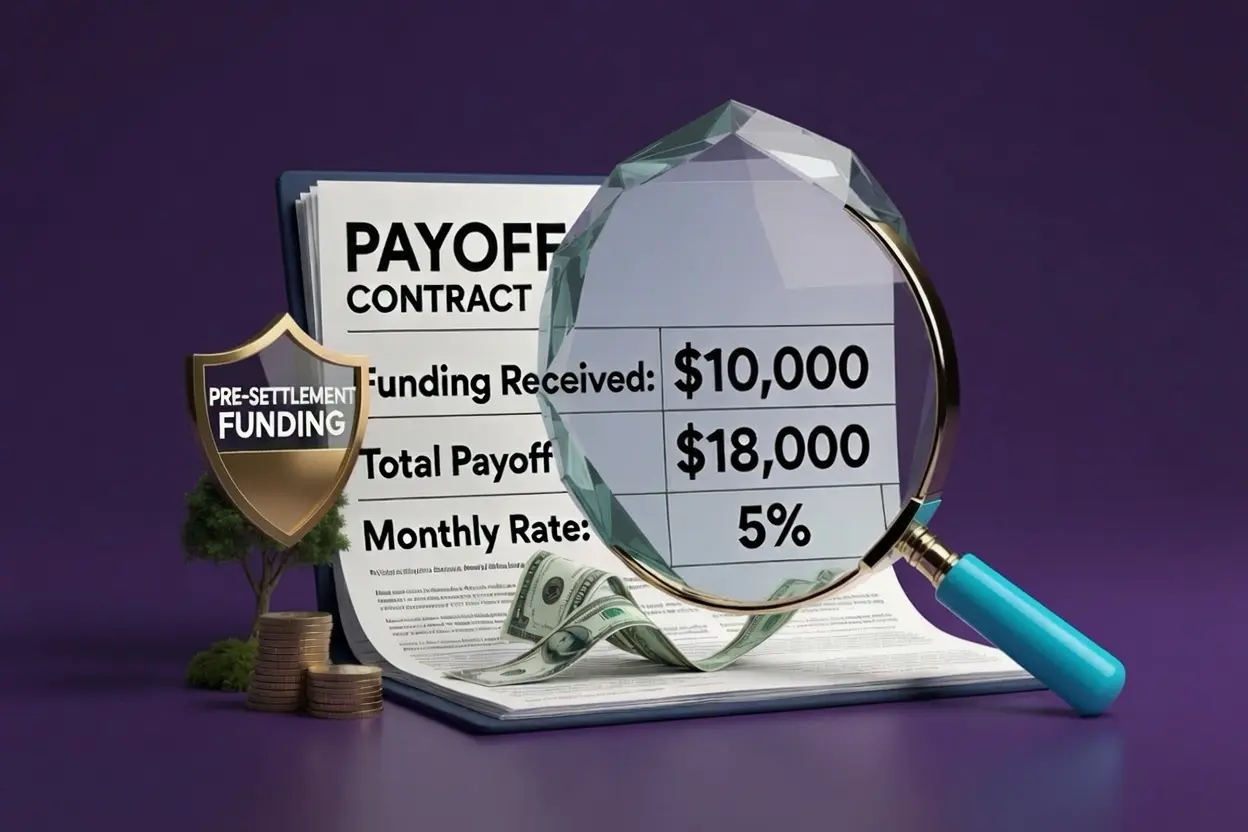
Baker Street Funding offers non-recourse pre-settlement funding for Dram Shop lawsuits that meet strict underwriting standards. This is not a traditional loan. You only repay if your case results in compensation.
You may be considered if:
- Your injury or loss resulted from alcohol overservice
- Liability extends beyond the intoxicated individual
- The defendant is a licensed alcohol vendor with insurance coverage
- Dram Shop liability is clearly supported by evidence
- You are represented by experienced counsel
- Injuries are severe or catastrophic, or involve wrongful death
- The projected settlement value is over $50,000
There are no credit checks or income requirements. Approval depends on legal merit and recoverability.
How Pre-Settlement Funding Works in Dram Shop Lawsuits
Once your Dram Shop case meets basic eligibility, the funding process is straightforward and attorney-driven. You stay focused on recovery and your lawyer stays in control of the litigation.
Here’s how it works:
- You apply. You or your attorney reach out with basic information about the crash, the alcohol vendor, and your injuries.
- We speak with your attorney. We get case documents directly from your lawyer — things like police reports, medical records, and any evidence that alcohol was served to a visibly intoxicated person or minor.
- We underwrite the case. Our team reviews liability, insurance coverage, state Dram Shop rules, and the likely settlement range to decide if funding is appropriate and how much we can responsibly offer (typically up to 10% of the projected settlement).
- You receive funds if approved. If approved, you receive a non-recourse cash advance. You don’t make monthly payments, and you don’t repay out of pocket. Repayment comes only from your settlement — and if there is no recovery, you owe nothing.
This structure gives you financial space while your attorney pursues full accountability against the intoxicated driver and the establishment that overserved them.
How Baker Street Funding Evaluates Dram Shop Cases
We evaluate:
- Proof of Overservice: Witness statements, receipts, surveillance, or staff testimony
- Visible Intoxication Indicators: Behavior, speech, coordination, or prior service history
- Causal Connection: Direct link between service and resulting harm
- Insurance Coverage: Policy limits and exclusions
- Severity of Damages: Medical records, fatality reports, or long-term care needs
- State Law Compliance: Whether the claim meets statutory Dram Shop requirements
Cases lacking clear statutory support or recoverable insurance are declined.
How Much Funding May Be Available
For qualifying Dram Shop cases, Baker Street Funding may provide up to 10% of the projected settlement value, subject to underwriting approval.
Because Dram Shop cases involve statutory risk and insurance defenses, advances are structured conservatively with capped, simple rates and full attorney coordination.
Why Plaintiffs and Attorneys Choose Baker Street Funding
- Non-recourse protection: No repayment unless compensation is recovered
- Selective underwriting: Focus on strong statutory cases
- Low simple rates with caps: No compounding interest
- Attorney-respectful process: No litigation interference
- Ethical standards: Transparent, compliant, and conservative funding
We fund meritorious cases, not speculation.
Financial Support While You Pursue Accountability
Dram Shop cases are emotionally and financially demanding. For plaintiffs pursuing accountability against alcohol vendors, Baker Street Funding may provide support while the legal process unfolds.
Apply online or call (888) 711-3599 to speak with a legal funding specialist experienced in Dram Shop and alcohol-liability litigation.
FAQs: Dram Shop Lawsuits & Pre-Settlement Funding
1. What is a Dram Shop lawsuit?
A Dram Shop lawsuit is a civil claim against a bar, restaurant, nightclub, or other alcohol vendor for overserving a patron who later causes harm — usually a drunk driving crash, assault, or wrongful death. These claims are based on state Dram Shop statutes, which generally require proof that alcohol was served to a visibly intoxicated person or a minor, and that this overservice was a cause of the injuries or death.
2. Do all states have Dram Shop laws?
No. Some states have strong Dram Shop statutes, some have limited versions, and a few provide little or no civil liability for alcohol vendors. Even in states with Dram Shop laws, the rules, deadlines, and standards are different. That’s why it’s important that you have an attorney familiar with your state’s statute before applying for pre-settlement funding on a Dram Shop case.
3. Can I get pre-settlement funding for a Dram Shop case?
Possibly. Pre-settlement funding may be available if you have a strong Dram Shop case, a licensed alcohol vendor is named as a defendant, there is applicable insurance coverage, and you’re represented by an attorney. Baker Street Funding evaluates evidence of overservice, liability, damages, and insurance before deciding whether funding is appropriate.
4. How much funding can I receive and how fast?
If your case is approved, Baker Street Funding typically offers up to 10% of the anticipated settlement value as a non-recourse cash advance. After we receive documentation from your attorney and complete underwriting, many cases can be funded within about 24 hours of approval. There are no monthly payments; repayment comes only from your settlement or judgment.
5. Do I have to repay the funding if I lose my Dram Shop case?
No. Dram Shop pre-settlement funding from Baker Street Funding is non-recourse, which means you only repay if your case results in financial compensation. If there is no recovery, you owe nothing. Baker Street Funding also does not control your case — your attorney stays in charge of strategy, negotiations, and whether to settle or go to trial.