If your case settles, the settlement check does not always go straight into your pocket.
In many personal injury cases, part of the money may have to go to valid liens first. A lien is a legal claim against your settlement. It means a person, company, provider, or government program says it must be paid from the case proceeds before you receive your share.
That is why some plaintiffs are shocked when their final net amount is lower than they expected. It is not always because the case settled for too little. Sometimes it is because several claims have to be resolved out of the settlement before you get paid.
What is a lien in a personal injury case?
A lien is a legal right to recover money from your settlement.
In simple words, it is a claim that attaches to part of your case proceeds. If the lien is valid, it usually has to be addressed before the settlement money is fully disbursed.
Liens can come from medical treatment, government benefits, unpaid family support obligations, workers’ compensation, or other case-related funding arrangements. The exact rules depend on the type of lien, your state, and the facts of your case.
Why liens matter before your settlement is paid out
Liens affect two things that matter to you right away:
First, they can reduce how much money you actually take home.
Second, they can slow down payout if your lawyer has to verify the claim amount, challenge part of it, or negotiate a reduction.
That does not mean every claimed lien is proper or that every amount demanded is final. But it does mean liens need attention before the case is wrapped up.
Related: How Do Legal Settlement Payouts Work?
Common types of liens that can affect a personal injury settlement
Medical provider liens
Some hospitals, doctors, surgeons, or treatment providers may claim payment from your settlement if they treated you and remain unpaid.
This often comes up when treatment was provided on a lien basis. That means the provider agreed to wait for payment until the case resolves instead of collecting from you upfront.
Medicare liens
If Medicare paid for accident-related treatment, Medicare may seek reimbursement after a settlement, judgment, or other recovery. CMS explains that once a case resolves, Medicare issues a formal demand for the amount it says must be repaid.
This is one of the most important liens to handle correctly because it involves a federal recovery process.
Medicaid liens
Medicaid is generally the payer of last resort, and states must pursue liable third parties before Medicaid ultimately bears those costs. Federal Medicaid guidance also addresses recovery from the medical-expense portion of an injury settlement.
That is the key point: Medicaid issues are not just random bills. They are statutory recovery issues and need careful review.
Health insurance or ERISA-related reimbursement claims
In some cases, a private health plan may seek reimbursement if it paid accident-related bills and its plan documents give it that right.
These claims can get technical fast. The language of the plan matters, and so does whether the plan is governed by federal law.
Workers’ compensation liens
If a workers’ compensation carrier paid benefits related to the same injury, it may assert a right of reimbursement if you later recover from a third party.
This comes up often in work-related injury cases involving third-party negligence.
Child support or family support liens
In some situations, unpaid child support can attach to settlement funds. This is not the same as a medical lien, but it can still affect what you receive.
Lawsuit funding payoff obligations
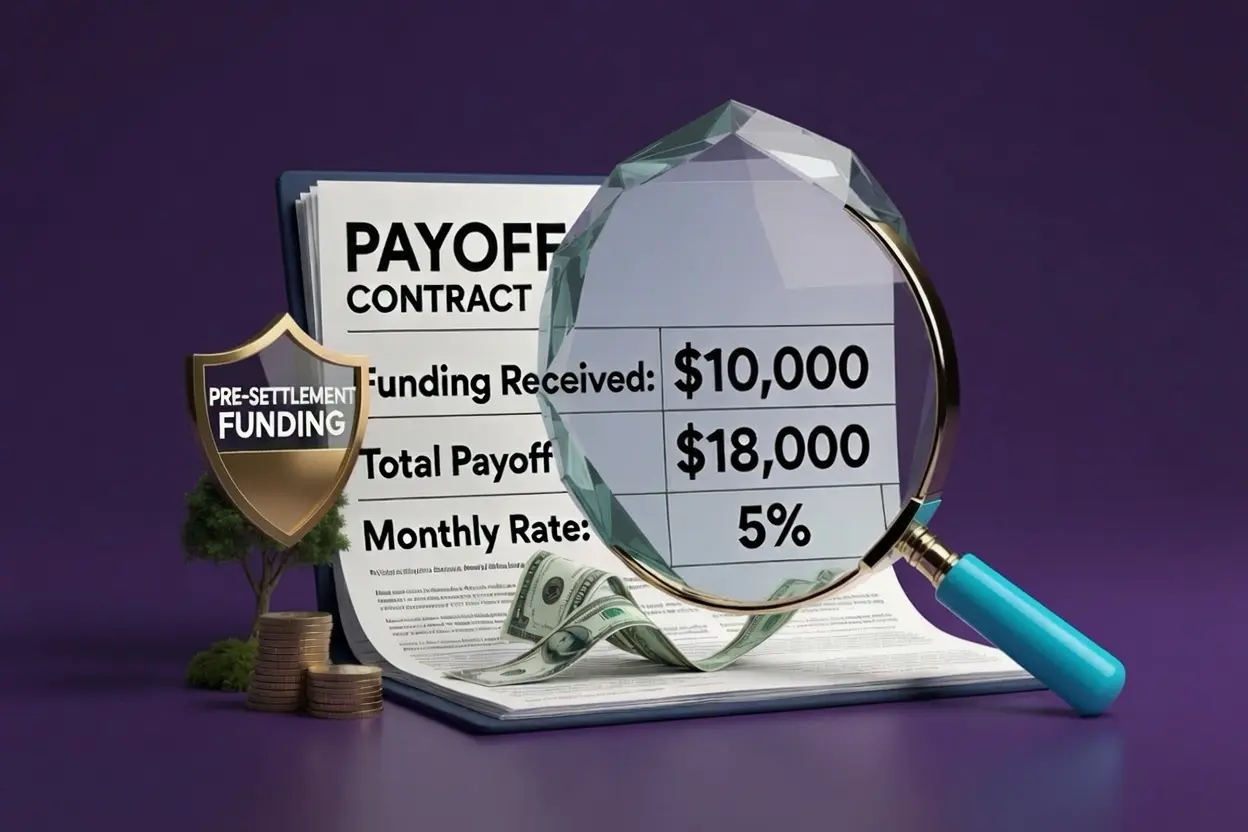
Pre-settlement funding is not the same thing as a medical or government lien, but it still affects settlement disbursement.
If you took non-recourse legal funding, repayment usually comes from settlement proceeds if there is a recovery. In simple terms, the funding company is paid from the case proceeds under the agreement before you receive the balance that remains after all proper deductions are resolved.
Related: Lawsuit Funding Regulations
Do all liens automatically have to be paid?
No. A claimed lien still has to be valid.
That is a big distinction. Just because someone sends a notice or demand does not always mean the full amount is enforceable as written. Your attorney may need to confirm:
- whether the lien is legally valid
- whether the charges are related to the injury claim
- whether the amount is accurate
- whether part of the demand can be reduced
This is one reason settlement payout can take time even after the case is technically over.
What usually gets paid out of a settlement?
Every case is different, but settlement money is often used to pay several items before you receive your net amount, including:
- attorney’s fees
- case costs
- valid medical liens
- valid government reimbursement claims
- other approved case-related obligations
- your final client share
The exact disbursement order can vary by case, state law, and the type of claim involved. But the main idea is simple: your gross settlement is not the same as your take-home amount.
Can liens be negotiated down?
Sometimes, yes.
That is one of the most important things to understand. A lien is not always a fixed number that must be accepted without question. In many cases, your attorney may be able to:
- dispute unrelated charges
- challenge inflated balances
- negotiate reductions
- work out a compromise so you keep more of your recovery
This does not happen in every case, and it depends on the lienholder and the law involved. But it is a real part of settlement work.
Why plaintiffs get surprised by liens
Most people focus on the settlement number.
That makes sense. But the number that matters most to you is usually the net amount, meaning what is left after your personal injury lawyer fees, costs, and valid claims are paid. If nobody explains that clearly early on, the final payout can feel like a punch to the gut.
That is why it helps to ask your lawyer direct questions before the case ends.
Questions to ask your attorney about liens
You do not need to know every legal detail yourself. But you should know what to ask.
Start here:
- Are there any known liens or reimbursement claims on my case?
- Who is claiming them?
- Are they final, or still being reviewed?
- Can any of them be negotiated down?
- What is my estimated net recovery after fees, costs, and liens?
- Will any treatment or funding balance be paid from settlement proceeds?
Those questions can save you a lot of confusion later.
How liens relate to medical lien funding and lawsuit funding
These terms sound similar, but they do not mean the same thing.
A medical lien usually means a doctor, surgery center, or other provider agrees to treat you now and wait to be paid from your settlement later. In that setup, the provider is taking the risk of waiting on the case.
Medical lien funding is different. Instead of the provider carrying that balance on a lien, a funding company pays for the treatment or surgery so the provider gets paid upfront at a cash rate. This is non-recourse and often used when your attorney is trying to secure surgery or other necessary care for you and you do not have enough health insurance coverage, do not have insurance, or the treatment is not realistically available through insurance in the time your case requires.
That difference matters because providers often charge much more when treatment stays on a traditional medical lien. When treatment is paid upfront through medical lien funding, the cost may be lower than leaving the full bill outstanding until the case ends.
Pre-settlement lawsuit funding is also non-recourse funding provided directly against the value of your case, usually to help cover living expenses while the lawsuit is still pending. Repayment comes from settlement proceeds if there is a recovery. If there is no recovery, there is no repayment.
All three arrangements can affect the final net amount you receive from a settlement, but they work very differently and should not be treated as interchangeable.
The bottom line
Liens on a personal injury settlement are one of the biggest reasons your final payout may be lower than the gross settlement amount.
That does not always mean something is wrong. But it does mean you need a clear picture of what claims exist, which ones are valid, and what may be negotiable before the money is disbursed.
If you are waiting on a settlement and trying to understand what may come out of it, focus on one question: not just what the case may settle for, but what you may actually receive after everything is resolved.