This article is for educational purposes only and is not legal advice. Talk to your attorney about your specific case.
Key takeaways
- The first offer is often a starting point, not a final number.
- The most common devaluation tactics are recorded statements, quick lowball offers, blame-shifting, injury minimization, and delays.
- You protect your claim with medical documentation, written communication, and legal counsel.
- If bills are forcing a bad decision, pre-settlement funding can give you breathing room. It’s non-recourse—repayment only comes from your settlement, and if you lose, you typically owe nothing.
If you’re being lowballed, do this first
When money is tight, it’s easy to feel cornered. Rent, medical bills, missed work—it adds up fast.
But rushing is exactly what a lowball offer is designed to trigger.
Start here:
If bills are pushing you toward a bad settlement, consider pre-settlement funding so you can hold out for a fair outcome.
- Keep getting medical care and follow your treatment plan.
- Stop “chatting” on the phone with the adjuster about injuries or fault. Keep it factual.
- Put everything in writing (email is fine).
- Let your attorney handle the negotiation if you have one.
- If bills are pushing you toward a bad settlement, consider pre-settlement funding so you can hold out for a fair outcome.
What a “lowball offer” really is
A lowball settlement offer is an offer that doesn’t match the real cost of your injuries and losses—not just today, but down the road.
It usually shows up when:
- you haven’t finished treatment yet,
- your lost wages aren’t fully documented,
- liability is being argued,
- or the insurer senses you’re under financial pressure.
You’re not imagining it. This is a known friction point in claims.
The top 5 insurance tactics used to devalue injury settlements
1) Asking for a recorded statement early
Often, the adjuster sounds friendly. They’ll say the recorded statement is “routine” or “just to move things along.”
What’s really happening: they’re trying to lock you into details before you fully understand your injuries or before you’ve had time to get advice.
A consumer-facing guide from United Policyholders notes that you’re often not required to give a recorded statement, even though you do need to cooperate with your insurer—policy language varies, so verify with your lawyer.
Protect yourself:
- Tell them you’ll provide information in writing.
- If you have a lawyer, direct the adjuster to your attorney.
- Don’t guess. Don’t speculate. Don’t minimize pain because you’re trying to be tough.
2) Offering quick cash—if you sign a release
This is the “fast money” trap.
You get a check (or a promise of one), and the insurer wants a signed release immediately. That release can end your claim, even if your symptoms get worse later.
United Policyholders warns about “drop draft” tactics—sending a check and release early to settle for less than the case may be worth.
Protect yourself:
- Don’t sign a release or deposit anything you don’t understand.
- Ask for the offer in writing with a breakdown of what it covers.
- Make sure future care is accounted for (follow-up visits, therapy, imaging, etc.).
3) Shifting blame to reduce what they owe
If the insurer can argue you were partly at fault, they may try to reduce the payout.
You’ll hear things like:
- “You were speeding.”
- “You weren’t paying attention.”
- “You could have avoided it.”
Protect yourself:
- Get the crash report number and the officer’s information.
- Photograph the scene, damage, and anything that supports your version.
- Collect witness names and contact info.
The NAIC recommends gathering details like witness info, vehicle info, and the accident report details.
4) Downplaying your injuries (or blaming “pre-existing conditions”)
This shows up as:
- “You’re fine.”
- “That treatment is excessive.”
- “You didn’t need physical therapy that long.”
- “That pain is from something else.”
Sometimes they’ll push for broad medical history to find anything they can point to.
Protect yourself:
- Keep treatment consistent and documented.
- Track every appointment, diagnosis, prescription, and restriction.
- Don’t let anyone talk you out of medical care—your doctor decides what you need.
5) Delaying the process until you’re financially desperate
Delay is a pressure tool. The longer it drags on, the more likely you are to accept less just to stop the bleeding.
The NAIC specifically advises keeping notes and tracking claim communications, and if you still disagree about claim handling or settlement, you can seek help from your state insurance department.
Protect yourself:
- Keep a claim log (date, time, who you spoke to, what was said).
- Follow up in writing and request a response by a reasonable deadline.
- Escalate to a supervisor if you’re being ignored.
- If it’s truly unreasonable, you can file a complaint with your state DOI (NAIC explains how to do that).
How to respond to a lowball settlement offer (a simple plan)
If you want a clean process, use this sequence:
- Ask for the offer in writing and request the rationale.
- Compare the offer to your documented damages:
- medical bills and future treatment,
- lost wages and reduced ability to work,
- out-of-pocket expenses,
- pain and suffering (this is real, even if it’s harder to price).
- Build a demand package with records and a clear number.
- Counter in writing. Calm. Specific. Evidence-based.
- Negotiate through your attorney if you have representation.
- If the insurer won’t move, your lawyer may recommend litigation or other dispute steps.
When pre-settlement funding helps you avoid a bad settlement
Sometimes the problem isn’t knowledge. It’s cash flow.
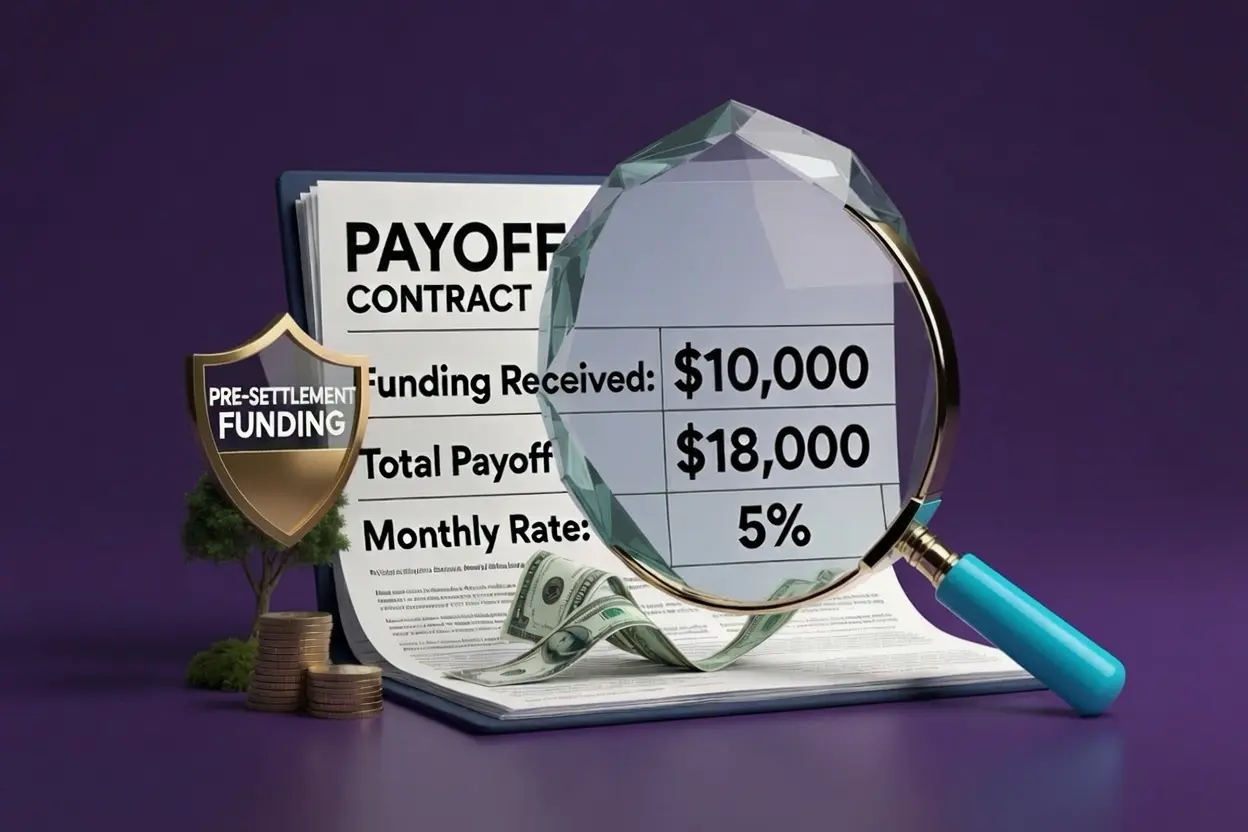
If you’re doing everything right but bills are piling up, pre-settlement funding (also called lawsuit funding or lawsuit “loans”) can give you room to breathe.
Here’s the clean way to think about it:
- Non-recourse: You only pay it back if you win or settle your case.
- Repayment comes from the settlement proceeds, not from your paycheck.
- No monthly payments. No upfront costs.
- Your credit score is usually not the deciding factor—funding is based on the strength of the case.
This is not about getting rich. It’s about staying stable—rent, groceries, childcare, car payments—so you’re not forced into a lowball offer.
Always review terms with your attorney. Funding costs vary, and it should be a tool—not a default.
Need time to negotiate?
Baker Street Funding offers non-recourse pre-settlement funding (often called lawsuit funding). That means no monthly payments, and repayment typically comes only from your settlement—if you don’t recover, you don’t owe us any money.
FAQ
Should you accept the first settlement offer?
Usually, the first offer is a starting point. If it doesn’t cover your damages, you can counter—preferably in writing with documentation.
Do you have to give a recorded statement?
Not always. Policies vary. Many consumers can cooperate without agreeing to a recorded statement—confirm with your attorney.
What if the adjuster stops responding?
Document your outreach, follow up in writing, escalate to a supervisor, and consider contacting your state insurance department if handling becomes unreasonable.
Can you complain to someone if the insurer is treating you unfairly?
Yes. The NAIC explains how to file a complaint with your state department of insurance and what to prepare.
Can you negotiate a personal injury settlement without a lawyer?
You can, but it’s risky—especially if injuries are significant or liability is disputed. At minimum, get a professional evaluation before signing anything.
Can you get money while you wait for a settlement?
In many cases, yes—pre-settlement funding may be an option if you’re represented and your case qualifies. It’s non-recourse, meaning repayment is only from a successful settlement or verdict.